QEEG Brain Mapping
Purpose:Observe and analyze patterns of EEG activity to create a more informed starting point.
Include:
- EEG measurement
- Pattern analysis
- Brain-map visualization
- Informational assessment
QEEG BRAIN MAPPING
QEEG Brain Mapping uses non-invasive EEG measurement to observe and analyze patterns of brain activity, helping create a more informed starting point for personalized brain-training goals.
UNDERSTANDING QEEG
QEEG, or Quantitative Electroencephalography, records electrical activity from the scalp and uses specialized software to organize and analyze patterns within that EEG information.
The resulting brain map can provide a clearer visual representation of measured activity and help create a more informed starting point for personalized brain-training decisions.
The process combines EEG measurement with specialized analysis to organize patterns of brain activity into an easier-to-understand visual format.
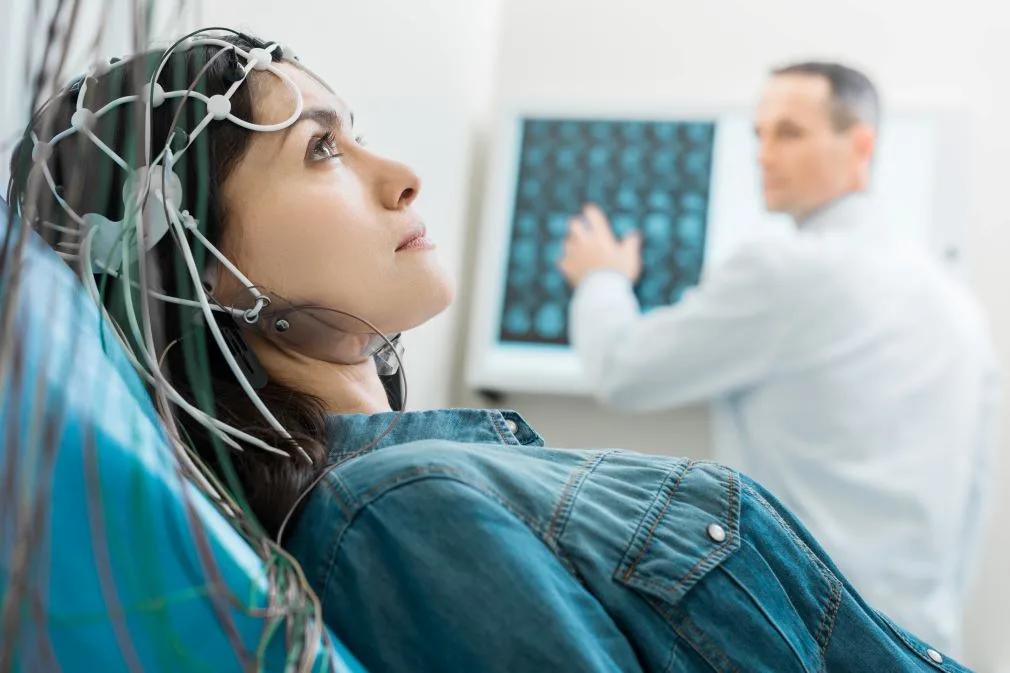
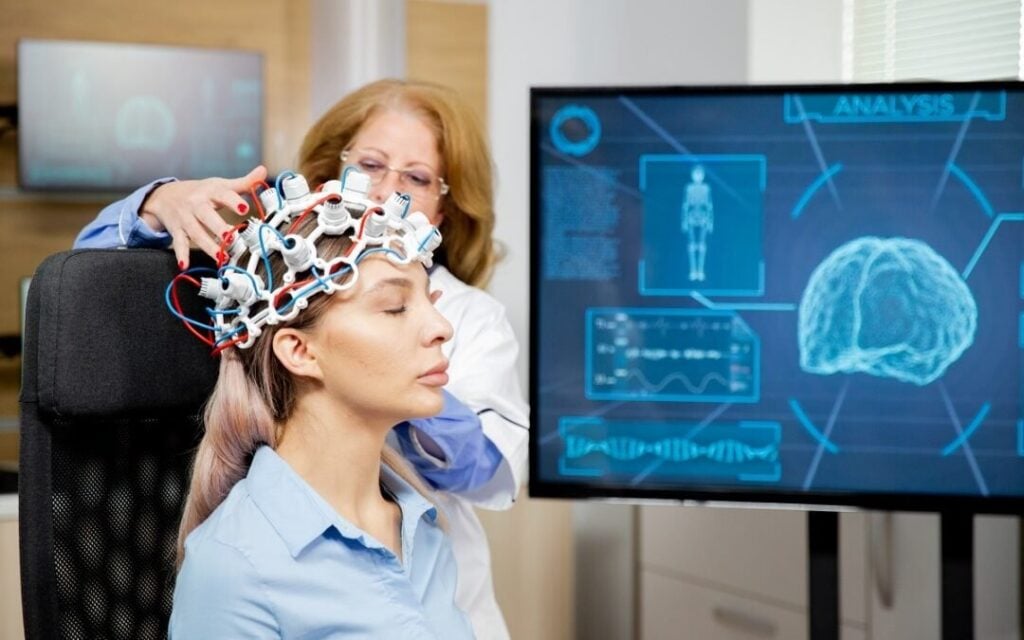
Sensors are positioned comfortably on the scalp to record electrical activity.
Brain activity is measured while the client remains calm and comfortable.
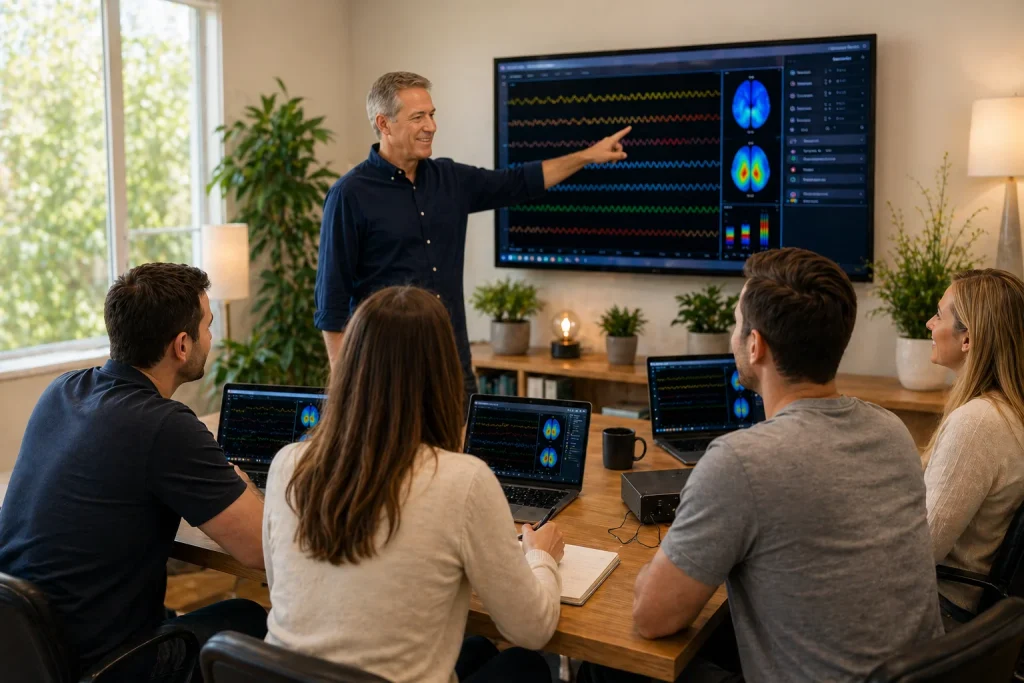
Specialized software organizes and analyzes the recorded EEG information.
The resulting information can be reviewed to help create a more informed starting point.
YOUR QEEG SESSION
The QEEG process is designed to be calm, structured and easy to understand.
No surgery
No needles
No electrical stimulation
No medication administered
Sensors only record activity from the scalp
Typical session duration: 30 min
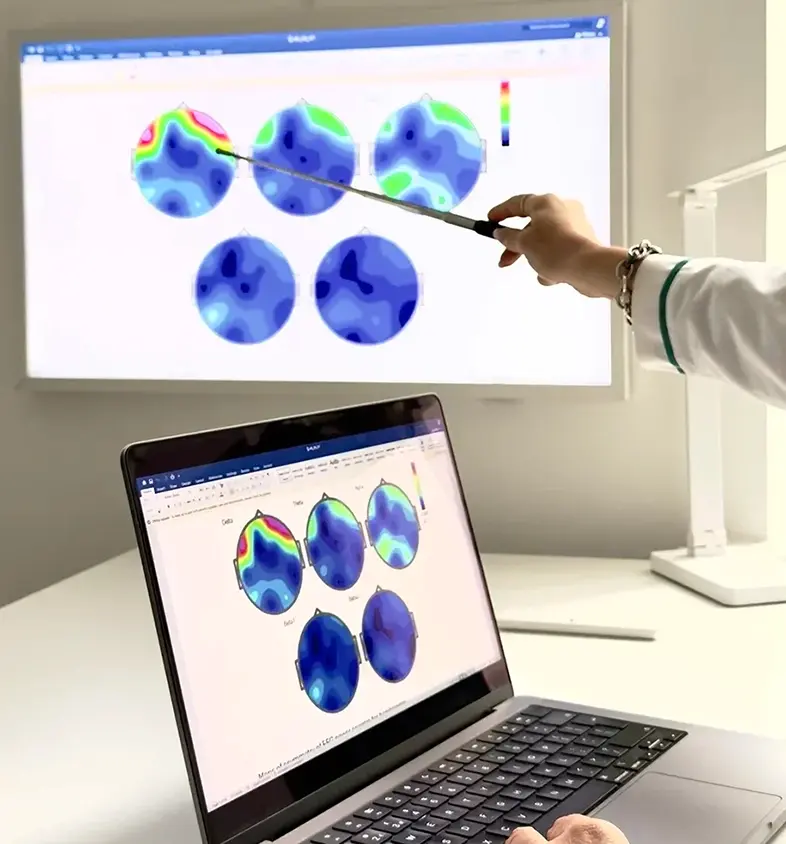
QEEG transforms recorded EEG information into organized visual data that can help clinicians and clients better understand measurable patterns of brain activity.
EEG sensors collect patterns of electrical activity.
Specialized software organizes the recorded information.
Measured patterns can be represented through brain-map visualizations.
Results can help guide conversations about personalized training goals.
QEEG does not replace professional diagnosis, but it can provide measurable information that may help support more individualized brain-training decisions.
Observe patterns relevant to attention, consistency and cognitive engagement.
Review measurable brain-activity patterns alongside individual wellness goals.
Explore EEG information that may be considered alongside rest, recovery and fatigue goals.
Provide parents and practitioners with additional measurable information when appropriate.
Support a more informed understanding of patterns related to mental consistency and performance.
Use EEG information to help guide personalized neurofeedback protocols.
Observe and analyze patterns of EEG activity to create a more informed starting point.
Use real-time EEG information and immediate feedback during guided training.
QEEG helps organize and visualize measured EEG information, while neurofeedback uses EEG activity during an active training experience.
Start with a consultation to discuss your goals, ask questions and learn whether QEEG Brain Mapping may be a useful part of your Brain Max Wellness experience.