Your brain influences your ability to focus, manage pressure, maintain energy, and transition into restorative sleep. When these abilities feel inconsistent, it is easy to assume you simply need more discipline or willpower.
Sometimes, a different approach deserves consideration.
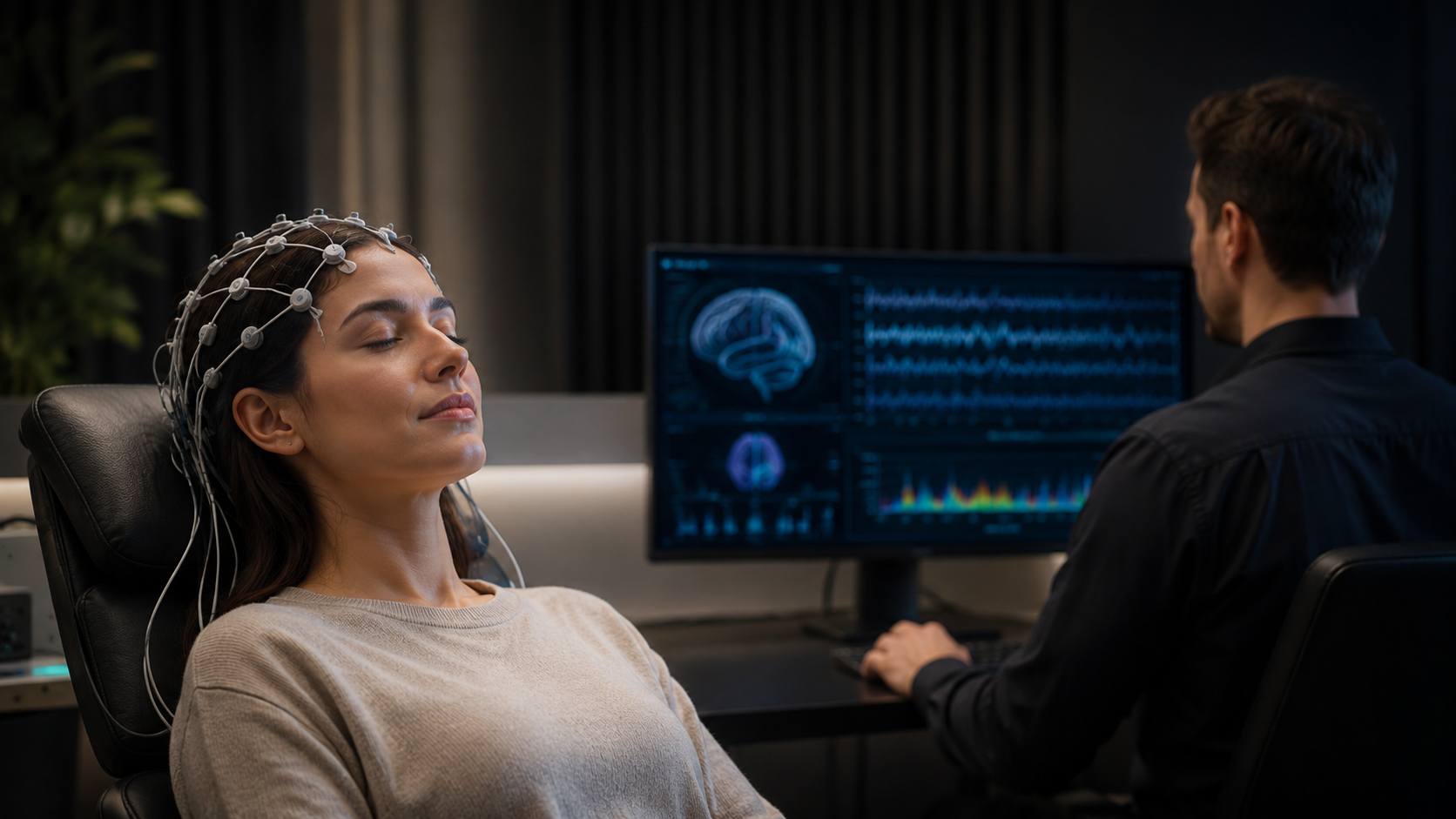
Neurofeedback therapy is a personalized form of brain training that uses real-time information about brain activity to guide training. Rather than following a rigid, one-size-fits-all formula, the process can be tailored around individual goals. For people interested in focus, sleep, self-regulation, or performance, it can be worth exploring.
But how do you know whether it is worth considering? Here are seven signs that may indicate it is time to learn more.
1. You Struggle to Maintain Consistent Focus:
Everyone loses focus occasionally. The concern is whether distraction has become a persistent obstacle. Reading, studying, working, or completing everyday responsibilities can feel unnecessarily arduous.
Neurofeedback therapy may be worth exploring when you want to build more consistent attention rather than continually relying on reminders or sheer effort. Brain training can focus on developing greater awareness and regulation around patterns associated with attention.
The objective is to explore whether individualized training can help you cultivate more reliable focus.
2. Your Mental Clarity Feels Unpredictable:
Have you experienced days when your mind feels remarkably sharp, followed by days when even simple tasks seem mentally cumbersome?
Fluctuating mental clarity can make consistent performance difficult. You may know what you want to accomplish, yet organizing thoughts, sustaining momentum, or switching between tasks feels harder than expected.
Neurofeedback therapy provides an individualized framework for exploring brain activity and establishing training goals around cognitive performance. Feedback during sessions is designed to support self-regulation.
If mental clarity is a priority, discussing your goals with a qualified provider can help you determine whether brain training is an appropriate avenue to investigate.
3. Stress Seems to Keep Your Brain in High Gear:
Modern life can leave the mind perpetually occupied. Deadlines, responsibilities, and constant stimulation can make decompression difficult.
You may notice that your body is resting while your thoughts continue racing. Small challenges can feel disproportionately demanding, or transitioning from a high-pressure environment into a calmer state may seem unusually difficult.
Neurofeedback therapy may be considered as part of a broader wellness strategy focused on self-regulation and resilience. Training can be individualized around goals related to stress regulation and emotional balance.
Brain training is not a substitute for appropriate medical or mental health care, but it may complement a broader wellness approach.
4. Your Sleep and Recovery Need Attention:
Sleep is foundational to cognitive performance, emotional balance, and everyday vitality. When sleep is inconsistent, your mind may feel sluggish during the day, while poor recovery can make concentration and stress management more difficult.
Perhaps you struggle to settle your mind at night. Perhaps you wake feeling as though your brain never completely powered down. Or perhaps your sleep seems adequate but does not leave you refreshed.
Neurofeedback therapy may be worth discussing if sleep optimization is one of your goals. Brain training can become part of a broader effort to encourage healthier patterns of regulation and recovery.
Persistent or severe sleep concerns deserve appropriate evaluation by a healthcare professional. Brain training should complement, not replace, professional care when needed.
5. You Want a More Personalized Approach:
You have probably encountered endless advice about meditation, productivity systems, exercise, supplements, and sleep routines. Many strategies can be valuable, but they do not necessarily account for individual differences in brain activity or training goals.
Neurofeedback therapy appeals to people who want a more individualized process. With EEG-based feedback and personalized protocols, training can be structured around the areas a person wants to develop.
That emphasis on personalization can make the experience feel less like following a formula and more like participating in a deliberate training journey.
6. You Want to Strengthen Mental Performance:
Brain training is not exclusively about challenges. Some people simply want to become more consistent, resilient, and mentally capable.
Students may want sustained attention while studying. Professionals may want stronger concentration during demanding work. Athletes may be interested in maintaining composure under pressure. High performers may want to explore cognitive stamina, mental endurance, or the conditions associated with flow.
Neurofeedback therapy can be an option for individuals interested in performance-oriented brain training. The emphasis is on meaningful goals and structured feedback, not instant transformation.
7. You Are Curious About What Your Brain Is Doing:
Perhaps the strongest sign is curiosity.
You may wonder why your attention fluctuates, why stress affects you differently at different times, or why mental performance changes depending on the circumstances. Instead of continuing to speculate, you may want a more informed perspective on your individual brain activity.
This is where EEG-based assessments and personalized training can become particularly interesting. A provider can discuss whether an assessment or training program makes sense based on your goals and circumstances. Neurofeedback therapy is most useful to consider as a personalized training option, not a universal answer.
Neurofeedback therapy is ultimately a process worth approaching with curiosity rather than unrealistic expectations. A productive starting point is understanding what the training involves, what you hope to accomplish, and whether the approach aligns with your needs.
What Should You Consider Before Getting Started?
If several signs sound familiar, start by asking thoughtful questions.
Consider the provider’s experience, the technology used, how assessments are conducted, how training goals are established, and how progress is reviewed. Ask how sessions are structured and what commitment may suit your objectives.
A reputable practice should communicate clearly, avoid guarantees, and recognize that every person’s experience is different.
At Brain Max Wellness, personalized brain training can be built around individual goals. The process may incorporate EEG-based information and structured sessions designed around areas such as focus, stress regulation, sleep, recovery, and mental performance.
The Bigger Picture: Train Your Brain With Intention
Your brain is remarkably adaptable, but meaningful progress is rarely about finding an overnight solution. It is about understanding your goals, practicing consistently, and choosing sensible strategies.
Neurofeedback therapy may be worth exploring if you are looking for a personalized way to work on attention, self-regulation, recovery, or performance. These signs are not a diagnosis or a guarantee that neurofeedback will be right for you. They are prompts for a more informed conversation.
If you recognize yourself in several of these patterns, consider speaking with a qualified Brain Max Wellness professional about your goals and whether personalized brain training could be a suitable next step. Progress can begin with curiosity about how your brain works and how you train it.
Brain Max Wellness can help you learn more about the technology, the training experience, and the personalized approach used during sessions.
Schedule a consultation to discuss your goals and learn more about Brain Max Wellness.